

About us
The Pharma Pollution Hub was co-founded in 2021 and registered as a charity in November 2024.
Read more about our JOURNEY AND FUTURE PLANS, the amazing PEOPLE involved, and the very generous FUNDING we have received.
OUR JOURNEY AND FUTURE PLANS
The concept of the Pharma Pollution Hub was co-founded in 2021 by Dr Kelly Thornber and Professor Charles Tyler. It was based upon their experiences in pharmaceutical pollution research and impact, which identified a need for an independent body to drive action to address the complex issue of pharmaceutical pollution
Pre-2021: Foundational research
Our preliminary work to test the research concepts of the Pharma Pollution Hub brought together 30 stakeholders to map the UK healthcare pharmaceutical system as a case study. This was published as a call-to-action in 2022. To build upon this work we then worked with 48 stakeholders to develop a method for creating transformational national mitigation strategies and applied this to our UK case study. This work was published in December 2025 and provides a roadmap for our work in driving systems change.
Since 2022 we have also held preliminary think tank workshops, written blogs, given many presentations and attended/led policy workshops (see our Outputs page).
In November 2024 the Pharma Pollution Hub was registered as a charity.
2021-2025 (PHASE I): Establishing the Pharma Pollution Hub
In this current second phase we are aiming to transition from a research concept to financially-independent charity. During this time we need to secure external funding to cover our core running costs. We will also be applying for funding to carry out specific projects and to develop our ideas for a service-based provision (more information released as and when we decide this is likely to work!).
If you are interested in being part of our collective journey, please consider partnering with us on research projects, commissioning us to do work for you, or donating to help us cover our core costs. See our getting involved page or contact us directly.
2026-2036 (PHASE II): Transitioning to financial independence
Our aim is to create a sustainable, financially-independent body that can drive transformational change for the benefit of society as a whole.
The more people who get involved, the more likely we are to achieve this. So please get involved!
2036 onwards: Long-term sustainability
OUR PEOPLE

Operational Staff
-
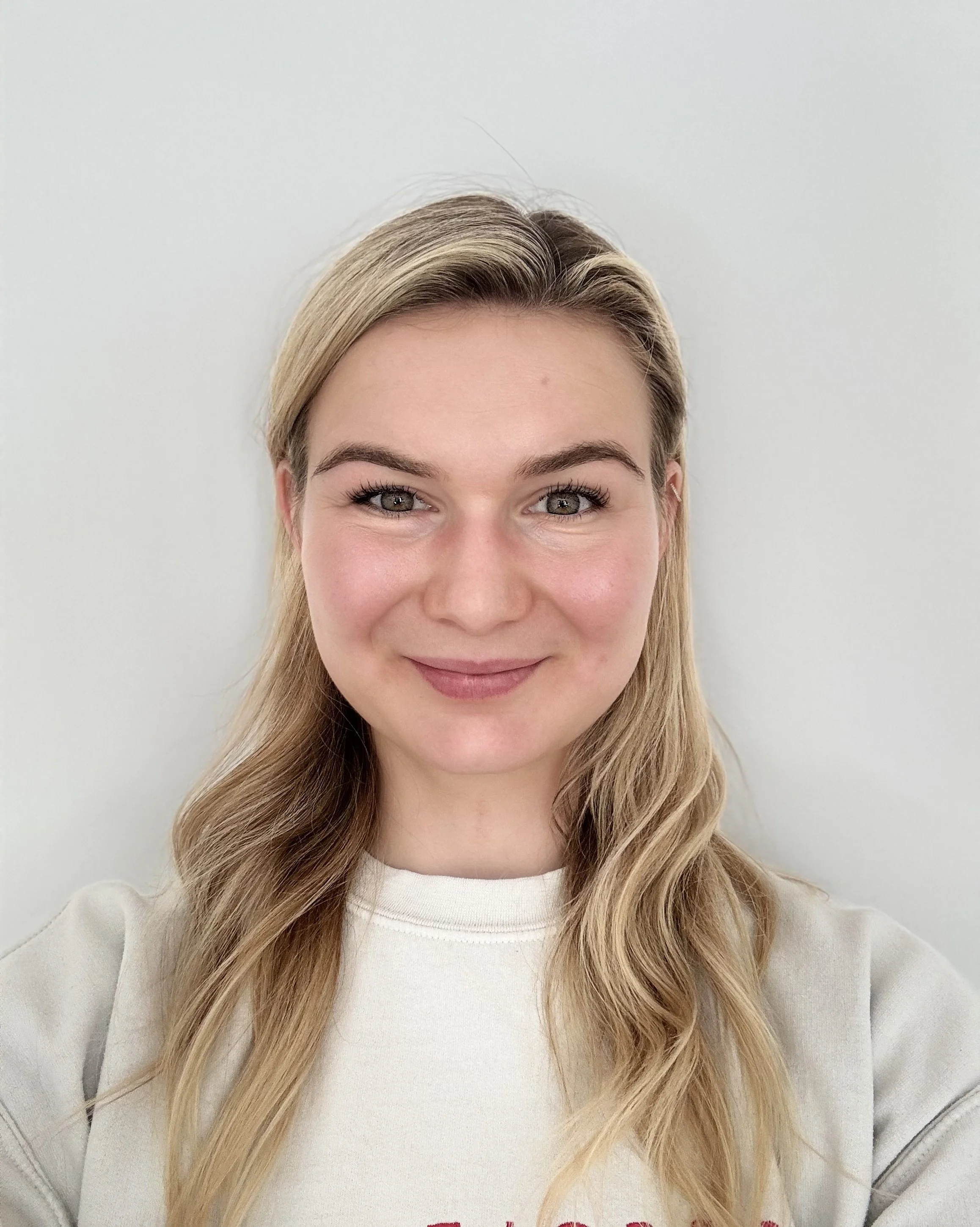
Kelly is CEO and Co-Founder of the Pharma Pollution Hub. She has over twenty years of experience working at the intersection of medical and environmental research, science communication and project management. She is passionate about driving real-world change through applying systems thinking methodologies and facilitating inclusive and open dialogue between stakeholders. Connect with Kelly on LinkedIn.
-
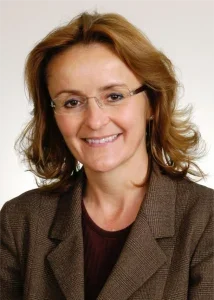
Madeleine (“Maddie”) St John is Communications Officer for the Pharma Pollution Hub and a PhD researcher within the CWBE at the University of Bath working with the UK Health Security Agency. She focuses on wastewater-based epidemiology for antimicrobial resistance and pharmaceutical pollution, and is passionate about translating complex evidence into clear, actionable messages for policy and practice.
Strategic Advisory Group
-
Chair, Sustainable Healthcare Coalition
Fiona chairs the Sustainable Healthcare Coalition and is an independent expert advisor on wellbeing, sustainability, and public health. She is a visiting Professor at UCL and a Senior Associate at Cambridge University’s Sustainability Leadership Programme. She formerly served as Deputy Chief Medical Officer and Director General in the UK Government, responsible for health improvement and health inequalities.
-
Professor of Health Psychology, University of Bath
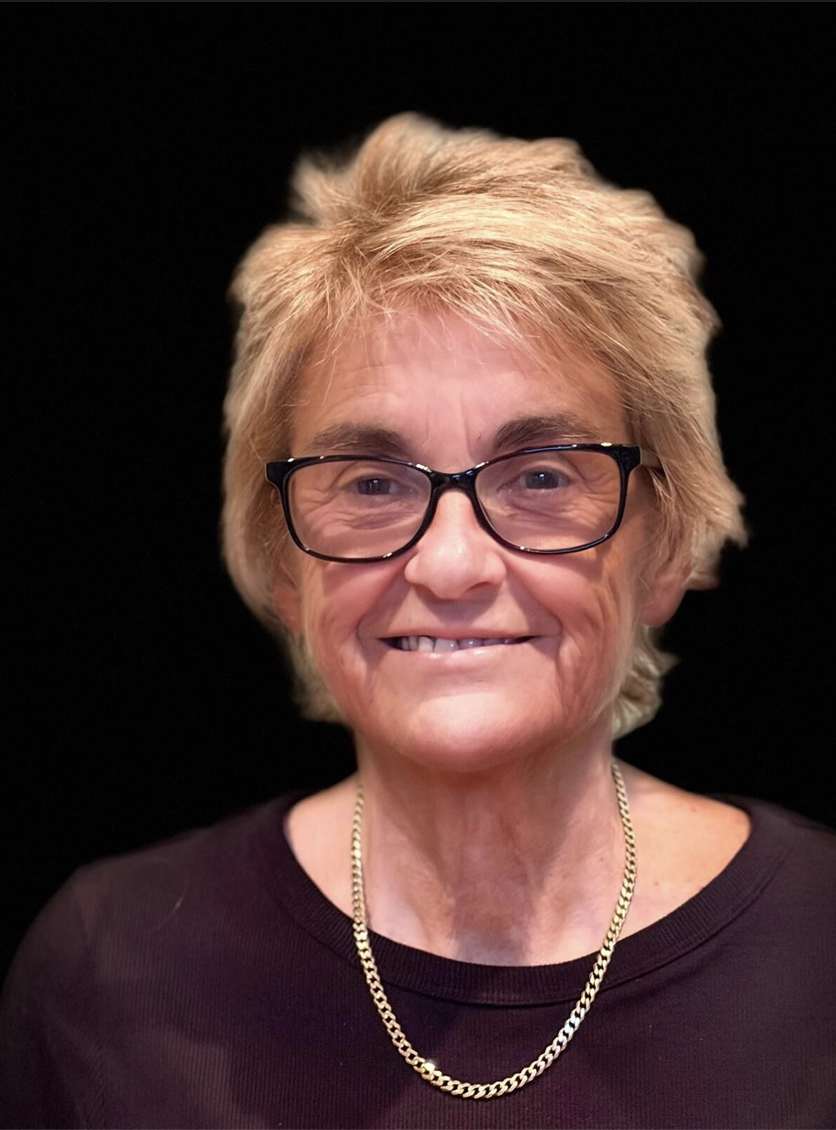
Julie Barnett is Professor of Health Psychology at the University of Bath. Julie is a social scientist with research interests and expertise around risk appreciation and communication, loneliness and social prescribing. She leads the social science work in CWBE an interdisciplinary wastewater-based epidemiology research programme. Julie has published widely using qualitative and mixed methods. Over the last twenty years she has led and collaborated on interdisciplinary projects funded by UK research councils, European funding bodies, charities and UK government departments and agencies.
-
Professor of Environmental Science, University of York
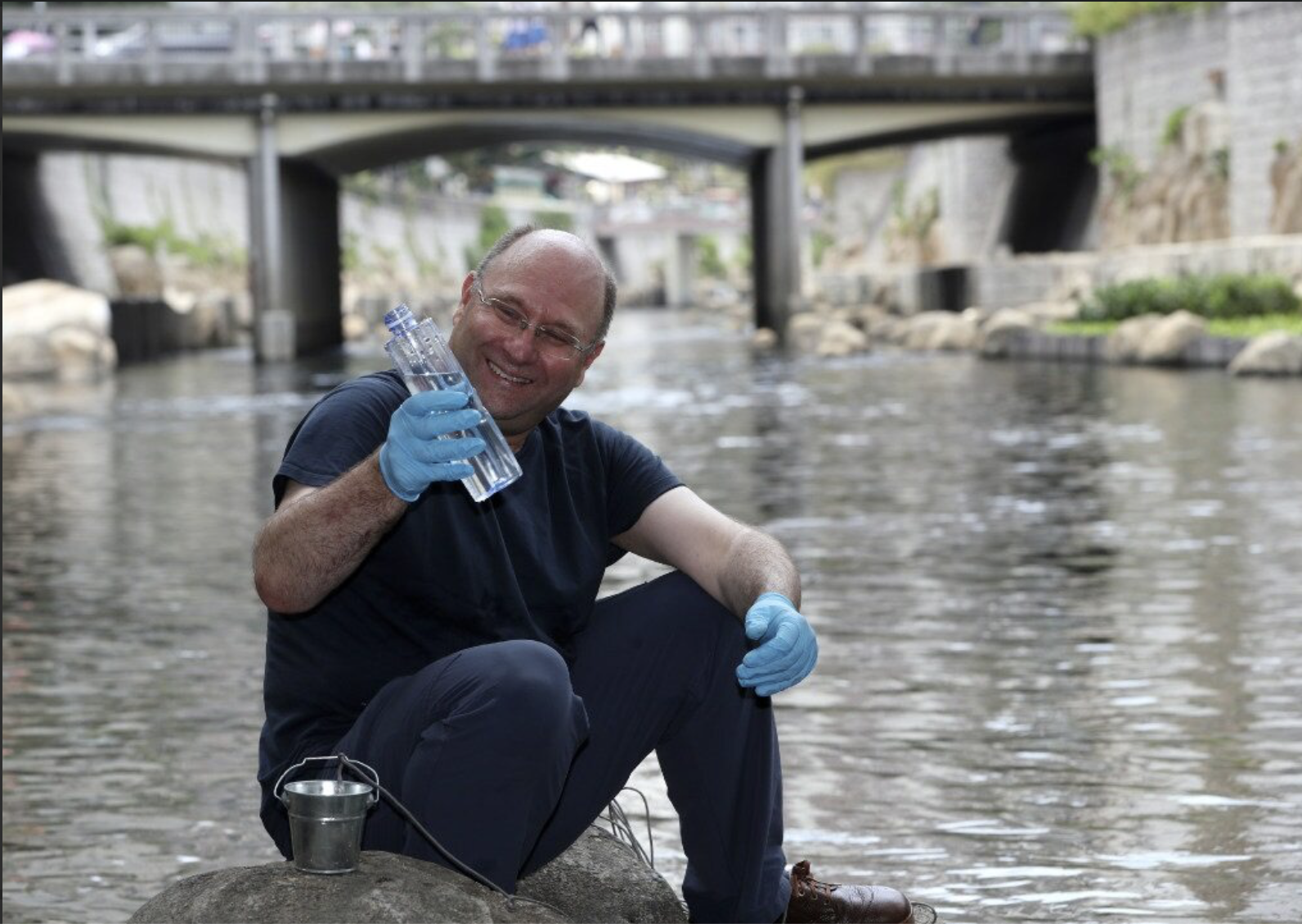
Alistair Boxall is Professor in Environmental Science in the Environment Department and Director of the NERC-funded ECORISC Centre for Doctoral Training. Alistair’s research focuses on understanding emerging and future ecological and health risks posed by chemical contaminants in the natural environment. Alistair is a past member of the Defra Advisory Committee on Hazardous Substances and past Chair of the Pharmaceutical Advisory Group of the Society of Environmental Toxicology and Chemistry. He regularly advises national and international organisations on issues relating to chemical impacts on the environment and has published extensively on the detection, fate, effects and risks of emerging contaminants (including pharmaceuticals, nanomaterials and transformation products) in the natural environment. He co-led the Global Pharmaceutical Monitoring Project which is monitoring concentrations of pharmaceuticals in more than 200 river systems covering 102 countries.
-
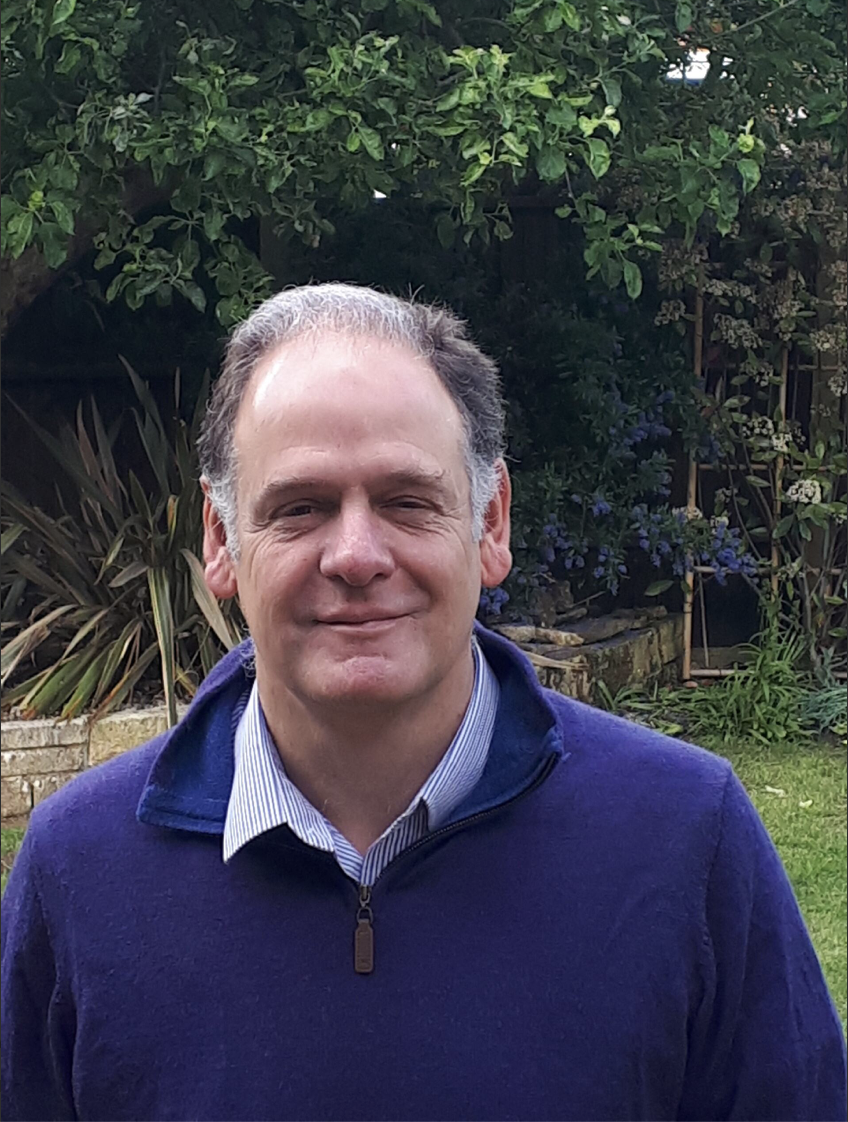
Director of Policy and Science, The Rivers Trust
Rob began his career at the UK Centre for Ecology and Hydrology where he completed his PhD in Water Quality. Following 5 years as Senior Scientist at New Zealand’s National Institute of Water and Atmospheric Sciences he worked at the European Environment Agency, focusing upon the implementation of the Water Framework Directive, encompassing priority and emerging chemicals. He joined the Rivers Trust in 2012 and manages several projects related to land and water management and has given evidence to three parliamentary inquiries on water quality. He specialises in the chemical pollution of aquatic environments, including sources, impacts and mitigation. He co-chairs the Wildlife and Countryside LINK Chemicals Taskforce and has a key role in collaborative water management across England, chairing the Catchment Based Approach’s National Support Group.

-
Professor of Environmental and Analytical Chemistry, University of Bath
Barbara Kasprzyk-Hordern is a Professor in Environmental and Analytical Chemistry at the University of Bath. Barbara heads Environmental Chemistry and Public Health Research Group at the University of Bath. She is a director of Centre for Excellence in Water Based early Warning Systems for Health Protection and NERC Centre for Doctoral Training in Real-Time Digital Water-Based Systems (RED-ALERT CDT). Her principal research interests fall into the three interrelated research areas of environmental, analytical and water sciences. She has made major contributions to understanding chemical speciation of emerging and legacy pollutants (including pharmaceuticals) in the environment, and in developing and evaluating new (not necessarily technology driven) solutions aimed at reducing environmental pollution levels. Barbara is currently focusing on the development of early warning systems for environmental and public health protection via water fingerprinting and wastewater-based epidemiology.

-
Associate Professor of History of "Bugs and Drugs", INSERM CERMES 3 Unit, Paris
Claas is an Associate Professor at the INSERM CERMES3 Institute in Paris, France. As a historian of science, medicine, technology, and the environment, he has published extensively on the history of infectious disease, environmental surveillance, and drug innovation and regulation.

-
Consultant in Pharmaceutical Public Health, NHS Scotland
Sharon is a Consultant in Pharmaceutical Public Health at NHS Highland and Visiting Professor at The Robert Gordon University, Aberdeen. Her speciality is in pharmaceutical public health and PPH policy, and she has expertise in sustainability, climate change adaptation, environmental pollution and protection, and water quality. She is a Co-Founder of the One Health Breakthrough Partnership, aiming to reduce pharmaceutical pollution in the environment.

-
Professor in Sustainable Healthcare and Pollution Control, University of York
Professor Jason Snape is a Research Professor in Sustainable Healthcare and Environmental Sustainability at the University of York. He joined the university's Department of Environment and Geography in early 2024 following a distinguished 28-year career at the biopharmaceutical company AstraZeneca. He holds a PhD in Microbiology and Biochemistry from the University of Wales, Cardiff. Within AstraZeneca he served as the Global Head of Environmental Protection, where he led sustainability strategies such as "Ambition Zero Carbon", managed the environmental safety of human medicinal products throughout their lifecycle and had a pivotal role in shaping His Majesty King Charles III Sustainable Healthcare Task Force under His Majesties Sustainable Markets Initiative. His research on environmental persistence and the environmental dimension of antimicrobial resistance (AMR) has directly shaped environmental guidelines for the European Medicines Agency (EMA),Water Framework Directive (WFD) and the European Chemicals Agency (ECHA). Professor Snape’s current work at the University of York focuses on "public good" through several key themes: (i) developing predictive tools to manage chemical risks and environmental footprints within healthcare systems, (ii) investigating the environmental dimensions of AMR and its impact on global health, (iii) using metagenomics and machine learning to assess how chemicals behave in the environment and (iv) assessing the sustainability of access to medicines in low- and middle-income countries. Professor Snape is the Programme Lead for the UKRI BBSRC Bio-Boost Industrial Doctoral Landscape Award with Newcastle University, UUKWIR, Oxford Nanopore Technology, Waters Corporation and the Environment Agency.

-
Global Director for the Healthcare and Life Sciences Sector, British Standards Institution
Courtney Soulsby works as a Global Director for the Healthcare and Life Sciences sector team for BSI (British Standards Institution), focusing on healthcare sustainability. Courtney has worked with healthcare systems, pharmaceutical and med tech industries and their supply chains for over ten years – with a deep understanding the issues with regulation, environment, resource security, compliance, and other issues when developing, commercializing, distributing, and procuring healthcare products.
-
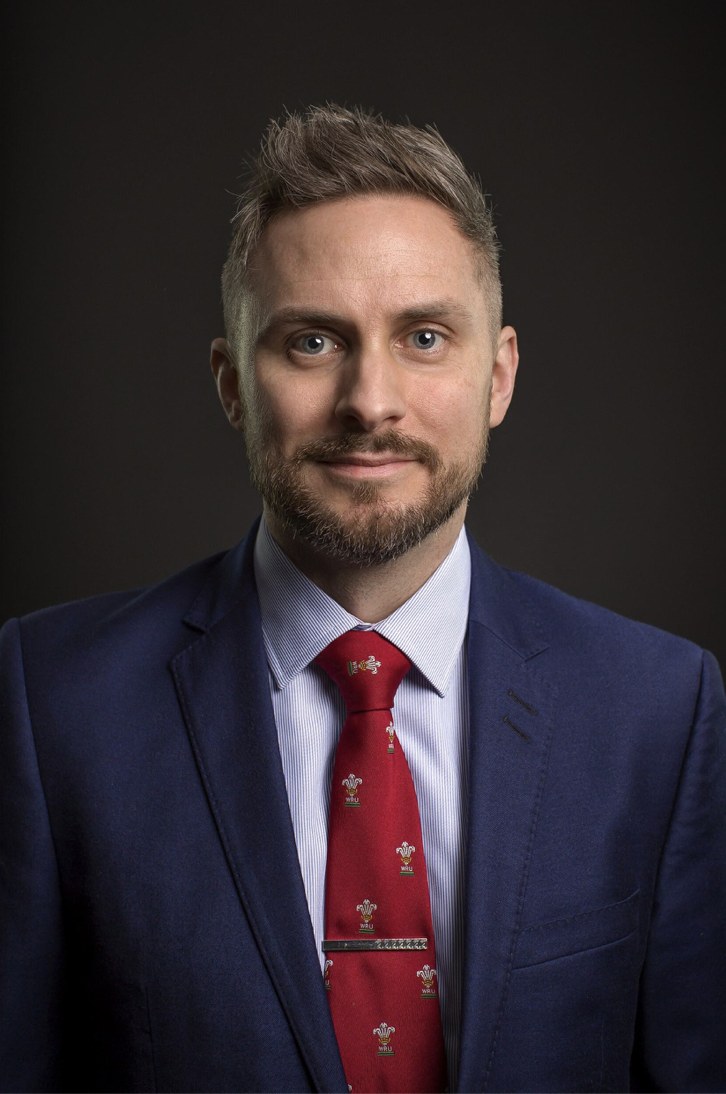
Consultant Anaesthetist, Worcestershire Acute Hospitals NHS Trust
Paul is a Consultant Anaesthetist and Clinical Sustainability Lead at the Worcestershire Acute Hospitals NHS Trust. He is the Lead Environmental Advisor and National Sustainability Lead to the Royal College of Anaesthetists, where he helps to shape and guide anaesthetic practice to be as environmentally conscious as possible whilst still maintaining and improving patient care. Paul is also the Healthcare Ocean Lead for Micropollutants, with a focus on trying to reduce the impact of healthcare on the health of our oceans and waterways.
-
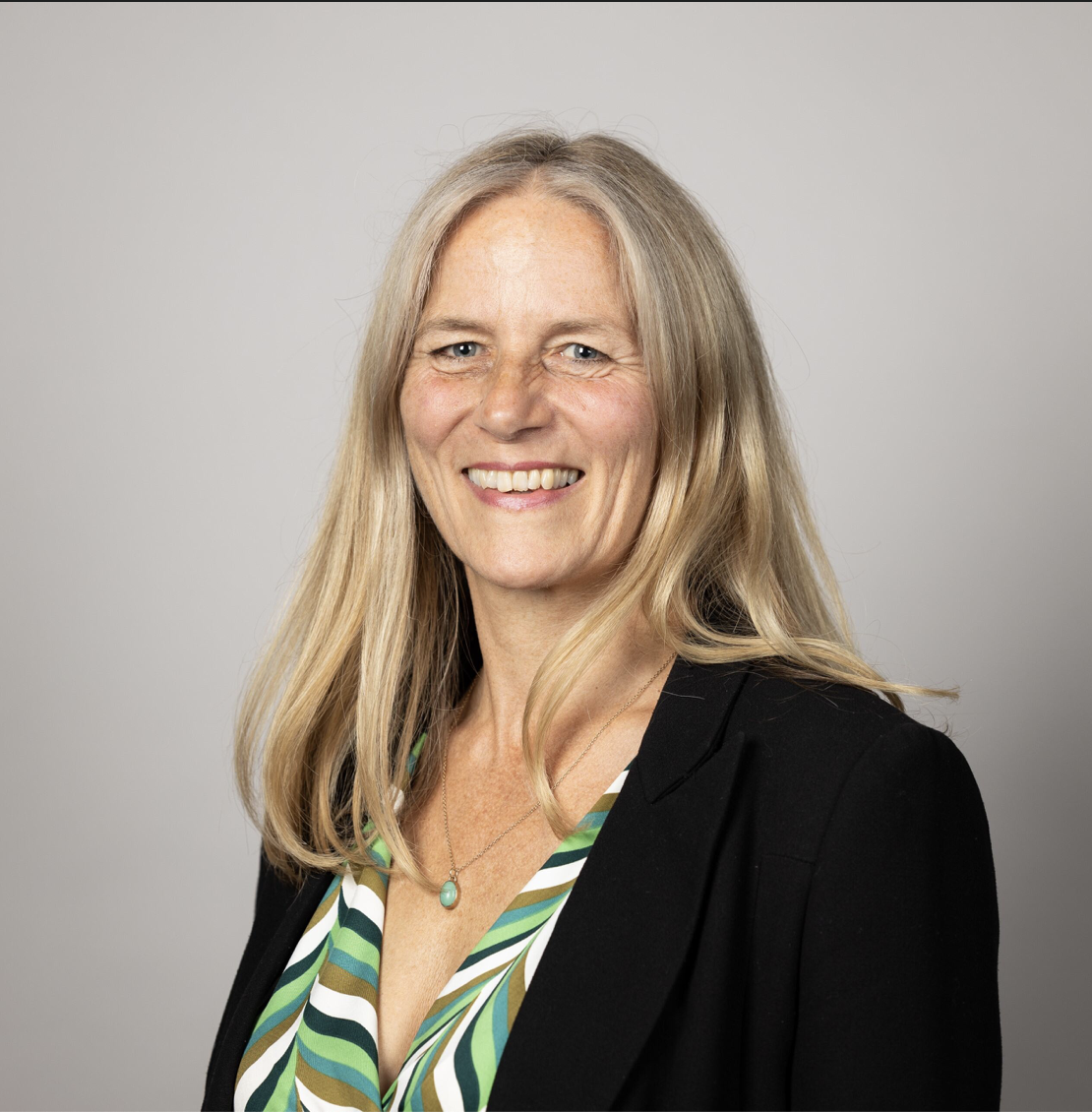
CEO, Centre for Sustainable Healthcare
Rachel has been working on the intersection of health and the environment for the past 17 years since she founded The Centre for Sustainable Healthcare (CSH) in 2008. Her team at CSH is supporting the transformation of healthcare in the UK and internationally for a sustainable future. Rachel enjoys working across disciplines on complex problems. She is interested in the best use of good quality evidence for maximum impact of our scarce resources and in creative partnerships to achieve change.

-
CEO, York Health Economics Consortium
Professor Matthew Taylor is the Chief Executive Officer of York Health Economics Consortium. Matthew’s work at YHEC includes economic evaluations, model adaptations, quality of life research and applied methodological research for clients in both the public and private sectors. He was Scientific Lead for NICE’s Economic and Methodological Unit, an Expert Adviser for the NICE Centre for Guidelines and is a former member of NICE’s Public Health Advisory Committee.
-
Professor of Environmental Biology and Ecotoxicology, University of Exeter
Charles is a Professor of Environmental Biology at the University of Exeter and an internationally leading environmental scientist and ecotoxicologist with 35 years’ experience in this field. His research spans ecotoxicology, molecular systems biology, sustainable aquaculture, aquatic animal health, and conservation.
He has received various awards including the Fisheries Society of the British Isles Beverton Medal (2012), the Founders Award from the Society of Environmental Toxicology and Chemistry (2015), and the Marsh Award for Marine and Freshwater Conservation (2022, Zoological Society of London). He has published over 350 research papers/reviews and was named among the top 1% most highly cited researchers in the world (Clarivate 2021).

-
Clinical Pharmacist and Sustainability Lead in general practice, NHS Gloucestershire
Wendy is Clinical Pharmacist working in primary care in Gloucestershire and a Sustainability lead at local and national levels: director of Greener Practice C.I.C., Chair Greener Practice Gloucestershire, member of Pharmacy Declares , co-founder of the Greener PCPA . Her passion is for health creation and enabling more environmentally sustainable primary care, both in a patient facing role and through close partnership working within and across health and community sectors, including optimisation of prescribed medication and better use of non-pharmacological greener prescribing. Outside her professional commitments she pursues her lifelong interest in natural history, with special interests in botany, bryology and moths.
Board of Trustees
CHAIR
-
Professor of Environmental Biology and Ecotoxicology, University of Exeter
Charles is a Professor of Environmental Biology at the University of Exeter and an internationally leading environmental scientist and ecotoxicologist with 35 years’ experience in this field. His research spans ecotoxicology, molecular systems biology, sustainable aquaculture, aquatic animal health, and conservation.
He has received various awards including the Fisheries Society of the British Isles Beverton Medal (2012), the Founders Award from the Society of Environmental Toxicology and Chemistry (2015), and the Marsh Award for Marine and Freshwater Conservation (2022, Zoological Society of London). He has published over 350 research papers/reviews and was named among the top 1% most highly cited researchers in the world (Clarivate 2021).
-
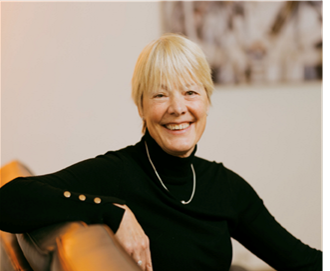
Carol is a Research and Development professional and drug development expert with over 30 years of experience within UK and US based pharmaceutical and biotechnology companies and the non-profit sector with a focus on drug acquisition and profiling of NCEs and biologics. She also has experience in managing a semi-philanthropic dementia fund with a key focus on identifying and developing novel disease-modifying mechanisms for the treatment of diseases that cause dementia, sourcing opportunities from academic research groups and small companies. She supports companies on Advisory and Management Boards and providing consultancy for a number of Biotech and SME companies
-
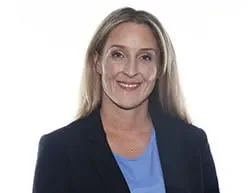
Victoria is a commercial and data law specialist and partner at Trowers and Hamlins international law firm. She focusses upon complex contracts and projects and in particular those involving data privacy issues and technology agreements. Victoria advises clients within various sectors including technology, life sciences, healthcare, financial services, manufacturing, education, charities and the public sector. She is ranked by Legal 500 as a leading individual in her sector.
-
Consultant in Pharmaceutical Public Health, NHS Scotland
Sharon is a Consultant in Pharmaceutical Public Health at NHS Highland and Visiting Professor at The Robert Gordon University, Aberdeen. Her speciality is in pharmaceutical public health and PPH policy, and she has expertise in sustainability, climate change adaptation, environmental pollution and protection, and water quality. She is a Co-Founder of the One Health Breakthrough Partnership, aiming to reduce pharmaceutical pollution in the environment.
-
Chair, Sustainable Healthcare Coalition
Fiona chairs the Sustainable Healthcare Coalition and is an independent expert advisor on wellbeing, sustainability, and public health. She is a visiting Professor at UCL and a Senior Associate at Cambridge University’s Sustainability Leadership Programme. She formerly served as Deputy Chief Medical Officer and Director General in the UK Government, responsible for health improvement and health inequalities.
OUR FUNDING

We are hugely grateful to all of our funders.


2021 - 2025: Thank you to the University of Exeter, the Medical Research Council and the Wellcome Trust for co-funding a series of short research projects that enabled us to carry out our foundational work analysing the UK healthcare pharmaceutical system and establishing the Pharma Pollution Hub.

2025 - 2030: We are delighted to be partners on the £6.5 million “UK Hub for One Health Systems: Creating Sustainable Health and Social Care Pathways”, led by the University of Exeter. This is funded by UK Research and Innovation (UKRI) and the National Institute for Health and Care Research (NIHR).


2026: We are very pleased to have been awarded funding from the Biotechnology and Biological Sciences Research Council (administered through the University of Exeter) to run a short project on assessing the environmental, health and economic risks of pharmaceutical pollution in a changing global context.